
Don't let your skin ruin your holiday
Don’t let your skin ruin your holiday
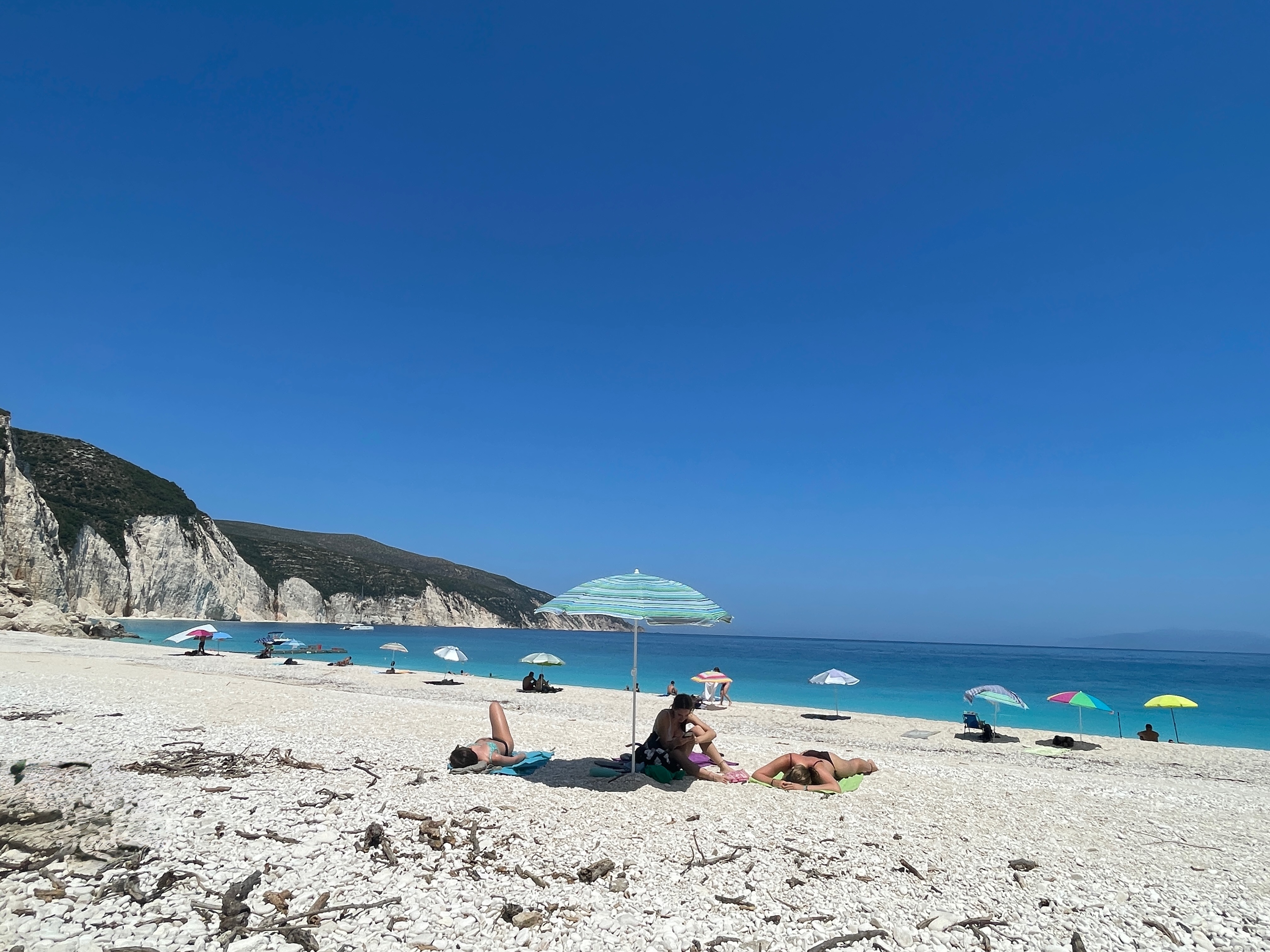
As the World Cup draws to a close and the schools are almost out for summer, our attention is now turning to the summer holidays and escaping to the beach or warmer climes to enjoy our summer holidays. In this article, we share top tips to avoid your skin from ruining your holiday.
Avoid painful sunburn by getting your sun protection right
In the summer months, sun protection is a must in the UK and even more importantly if travelling further south. Whilst sun protection brands may be a personal choice, the key thing is to make sure you get sufficient protection. We always recommend using an SPF with a rating of 50 and making sure it has a high UVA block as well, which is often marked with a star rating - looking for 5* products. Apply generously. The top tip to avoid missing areas and getting burnt is to apply them first thing in the morning in your accommodation in front of a mirror, getting help with the hard to reach areas. Let them soak in for 20 minutes before getting fully dressed. They should be reapplied every two to three hours during the day and always reapplied after swimming, even if they are marked as being water resistant.
Don’t forget the part lines on your scalp, the top of the head if you've got thinning hair and generously apply over your shoulders, as these are areas where people frequently get burnt. Even when using high strength SPF, it's a good idea to seek the shade in the middle of the day when the sun is at its highest and strongest.
Occasionally, sunscreens can cause irritation to the skin, and this can often be related to fragrances within them. Certain brands like Altruist, which is a UK dermatologist brand, is fragrance free and parabens free, and despite its very modest price tag, has the best SPF ingredients, meaning you can buy large amounts for little expense and apply generously without it breaking the bank.
Looking after your kids in the sun
When it comes to children, one really easy tip is to use SPF clothing to cover the body as much as possible, limiting the use of SPF to the exposed areas such as the face, arms, and lower legs. Hats with protection for the neck or using sun shelters on the beach can really help too. Kids often have more sensitive skin and using fragrance free products are highly recommended. If you give your kids a roll on product, they can often reapply this themselves and you can just help rub it in. This saves a perennial battle and tantrum on the beach. Look for water resistant products so they can play in the water, but don't forget to reapply frequently through the day.
We all make mistakes, miss areas and get burnt
If you do over do it and get burnt then it's a good idea to apply a moisturiser or an after-sun product generously to the affected area. After-suns are very similar to moisturisers but often have a lighter formula with more water in them making them more cooling on the skin. They contain extra ingredients like aloe vera, antioxidants and vitamins to help the skin recover from the sunburn. Sunburn occurs within hours of excessive sun exposure and can get worse for 24-48 hours afterwards and therefore you need to make sure the area is totally covered from further sun exposure by using sufficient clothing or just staying out of the sun. Keep burnt areas out of the sun until they have fully recovered which often takes a few days.
Do you dread the first couple of days on your holiday, fearing a recurrence of an itchy rash that happens each year on the exposed areas?
For many people, the first sunny days of the Spring and Summer bring more than just a welcome dose of vitamin D - they trigger polymorphic light eruption (PLE), one of the most common sun-related skin conditions in the UK. If you only get this itchy rash abroad it typically shows up on day 2 on your holiday and can last a week or sometimes the whole holiday.
PLE occurs when the immune system mounts an inflammatory reaction to sunlight, typically ultraviolet A (UVA) rays, resulting in itchy red bumps, patches and sometimes blisters that usually appear on sun-exposed areas like the chest, arms, and legs within hours to a day of exposure. The face is usually spared. It tends to affect skin that hasn't seen much sun for a while, which is why flare-ups are so often reported in spring or on the second day of a summer holiday abroad.
The good news is that PLE is largely preventable: gradually building up sun exposure early in the season, applying a broad-spectrum SPF 50 sunscreen generously and reapplying regularly, wearing protective clothing, and seeking shade during peak UV hours (11am–3pm) can significantly reduce the likelihood of a reaction. If symptoms do appear, most cases settle on their own within a few days to a week once sun exposure stops - light moisturisers, cool compress and over-the-counter antihistamines can ease the itching. A short course of strong topical steroids may be recommended for more troublesome flares. For those who experience PLE year after year, a dermatologist can discuss options such as controlled UV desensitisation therapy ahead of the summer months, helping the skin build tolerance before it's put to the test or can supply a short oral course of steroids to take the day before your holiday begins for 5-7 days.
Should I pee on the skin if I have been stung?
If you've ever run into the water and experienced a searing pain on your foot and wonder what it may be, it's likely you stepped on a Weever fish. These are small fish that live in the shallows and have pointy dorsal fins containing a toxin, which is released into your foot if you stand on them. The sting is fairly instant and severe. The natural reaction is to put something cold on it to prevent swelling, but this is the biggest mistake you can make. Instead of applying ice packs, immerse your foot in hot water, as hot as you can tolerate without scalding your skin for anywhere between 15 to 30 minutes. Keep adding more hot water as it cools down. The hot water breaks down the toxin and will start to relieve the pain. Once the pain is starting to subside, check and remove any spines that may be in the foot with tweezers.
If swimming in the sea and you experience a sting, it is likely that you came into contact with the tentacles of a jellyfish. These release a venom through a little spike into the skin that causes stinging. The best thing to do is to rinse off the area in salt water as soon as possible and remove any tentacles that might be attached to the skin with tweezers. Do not use fresh water as this will make the stinging worse. Urinating on the skin is an old wives tales and often releases more venom into the skin. Vinegar is also not recommended for the type of jelly fish we have around our shores or in Europe but can be useful for some species like the Box jellyfish. You can use heat in the same way as managing a Weever fish sting and painkillers like paracetamol and ibuprofen can also help.
Are you the Mozzie magnet in your party?
One of the downsides of travelling abroad is the large number of things that can bite you, with mosquitoes being the most common culprit. Mosquitoes tend to be most active around dusk and dawn, and it's sensible to be covered up and use mosquito repellent at these times. Mosquitoes particularly like dark coloured clothing due to the contrast, and they home in on CO2, sweat and heat given off by humans. This often explains why some people get bitten more than others. Mosquitoes are actually quite poor fliers, so sitting near a fan or having one circulate in the bedroom can be very helpful. If you have windows open at night, make sure they have a fly mesh or sleep under a mosquito net.
Bites are very common, and it's really sensible to take a small tube of topical steroid like hydrocortisone on holiday to apply to any bites for a few days after you've been bitten, which will make them rapidly subside and stop them from being itchy. Eumovate is the strongest steroid you can buy over the counter in the UK, but if you're really prone to bites and getting large amounts of swelling, you could ask your GP for a higher strength prescription grade steroid such as Betamethasone/Betnovate. Non-sedating anti-histamines like Cetirizine and Loratadine can take away some of the itch and stop you from scratching.
If in the days after being stung or bitten you get redness in the surrounding skin that is spreading outwards, is very tender to touch or you have a temperature or feel unwell, then it is likely you have a superficial skin infection called cellulitis. This will require oral antibiotics and you will need to seek medical help wherever you are. These respond well if treated early but if neglected can be serious, so don't delay in getting it looked at.
Could your own medication be the reason that ordinary sunshine suddenly leaves you red and blotchy?
Photosensitivity reactions are a surprisingly common side effect of many everyday medicines and often catch people off guard because the culprit rarely comes with an obvious warning. These reactions generally fall into two categories: phototoxic reactions, which resemble an exaggerated sunburn and can occur in almost anyone taking a high enough dose, and photoallergic reactions, which involve the immune system and produce an itchy, eczema-like rash, sometimes even in areas not directly exposed to the sun. Some of the most frequently implicated medications include antibiotics, particularly tetracyclines like doxycycline used to treat acne and rosacea; non-steroidal anti-inflammatory drugs (NSAIDs) such as ibuprofen, a very common painkiller; water pills like thiazides diuretics, commonly used for blood pressure; and certain acne treatments, including retinoids (Isotretinoin, Roaccutane/Accutane) and some topical preparations. If you're starting a new medication, it's always worth asking your pharmacist or doctor whether sun sensitivity is a known side effect, particularly if you're heading somewhere sunny. In the meantime, generous use of broad-spectrum sunscreen, protective clothing, and shade-seeking during peak UV hours remain the best defences, and anyone who develops an unexpected rash or burn while on a new medication should mention it to their prescriber, as an alternative drug or dosing adjustment may be possible
Ever wondered why a day at the beach can leave you with an angry, stinging rash exactly where your swimwear sits?
This common but often overlooked irritation is usually a combination of friction dermatitis and chafing, made worse by damp fabric and trapped grains of sand acting like fine sandpaper against the skin with every movement. The areas most affected tend to be the inner thighs, underarms, waistband and skin folds. In short, anywhere fabric repeatedly rubs against the skin as you walk, swim, or play in the water. Add in salt water and sun exposure, both of which can strip the skin's natural protective barrier and it's easy to see why these rashes can become red and sore. Left untreated the skin can break down and start to weep. Prevention starts with choosing well-fitting swimwear made from smooth, quick-drying fabrics, rinsing off sand and salt water as soon as possible after swimming and changing out of wet costumes rather than lounging in them for hours. A layer of a moisturiser or barrier cream applied to high-friction areas before swimming can also make a real difference.
If a rash does develop, the priority is to remove the source of friction: change into dry, loose-fitting clothing, gently cleanse the area with lukewarm fresh water and pat rather than rub it dry. A moisturiser or barrier cream can help soothe irritation and support healing.
Plan ahead, be prepared and pack a few basics to take with you
Skin problems are common. Prevention is better than cure so make sure you take a good SPF, after-sun and insect repellent on holiday with you. A good moisturiser that can soothe and act as a barrier cream will help with minor rashes. Ask your pharmacist for some Hydrocortisone or Eumovate and anti-histamines and pack these in your wash bag with some tweezers and simple non-adhesive dressings and medical tape. This will limit the chances or sunburn and bites and help you manage cuts, grazes, stings and rashes. Enjoy your summer hols!